
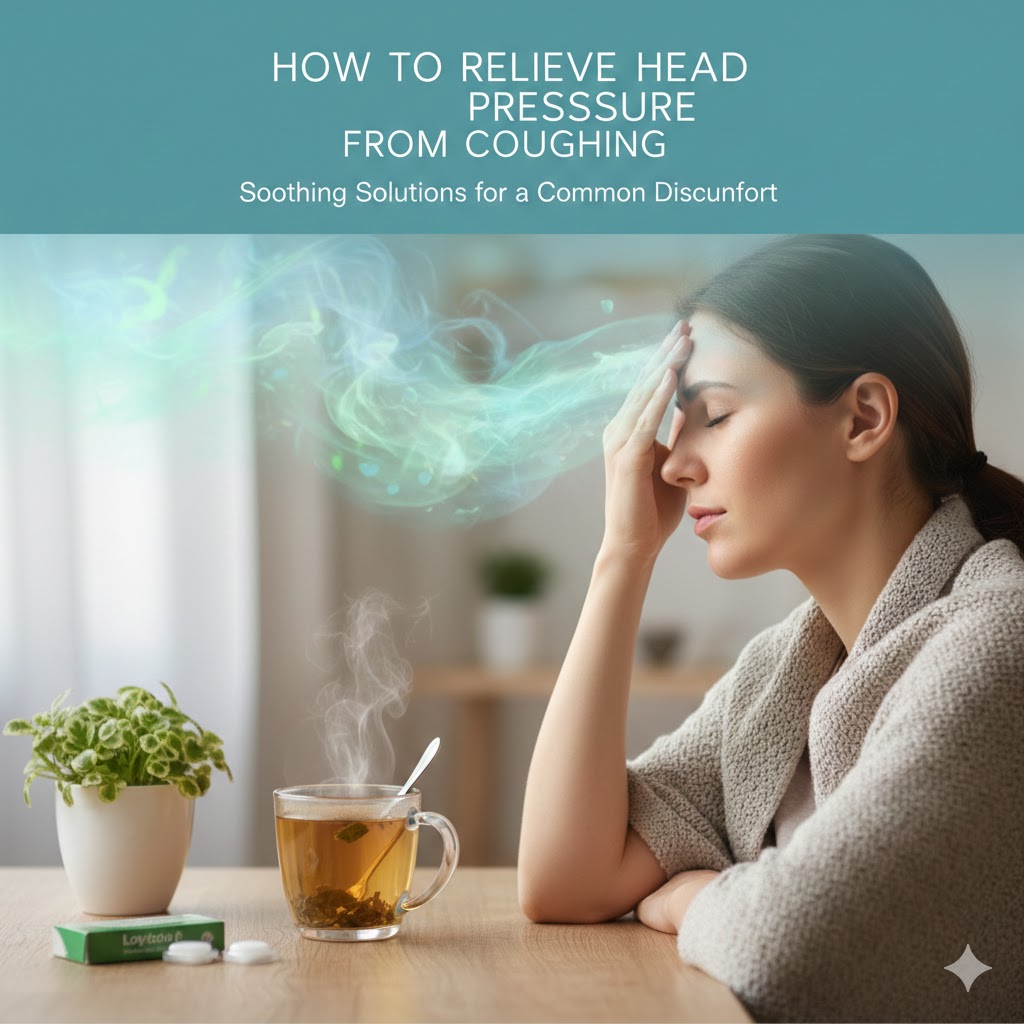
If every cough makes your head head is about to explode, you’re not imagining it — and you’re definitely not alone. Millions of people search every day for how to relieve head pressure from coughing, because the pounding, sinus pressure, ear fullness, or sharp pain that comes with coughing can be genuinely exhausting and disruptive.
This guide brings together proven, practical ways to ease head pressure caused by coughing — from fast-acting relief techniques that help within minutes to longer-term strategies that reduce the chances of it coming back. The goal is simple: relieve the pressure quickly and break the cough–pain cycle safely.
Why Coughing Can Cause Head Pressure
A forceful cough creates a sudden surge of pressure inside the chest and head. In some people, this pressure change can temporarily overwhelm the body’s ability to equalize it, leading to pain or pressure sensations.
Common reasons coughing triggers head pressure include:
1. Reduced venous drainage from the head
During intense coughing, blood can momentarily pool in the head, increasing pressure and causing a throbbing or bursting sensation.
2. Pressure transmission through cerebrospinal fluid
The rapid pressure shift can create a tight, squeezing feeling inside the skull.
3. Congested sinuses and Eustachian tubes
When sinuses or ear passages are blocked, coughing forces pressure into already sensitive areas, causing sharp facial or ear pain.
4. Strained neck and scalp muscles
Repeated coughing tightens neck, jaw, and scalp muscles, contributing to tension-type headaches.
5. Cough-related headaches
In rare cases, coughing can trigger primary or secondary cough headaches. Certain underlying conditions may increase this risk (see red flags below).
Effective relief focuses on four things at once: reducing pressure spikes, improving sinus drainage, thinning mucus, and calming the cough reflex.
Immediate Relief Techniques (During or Right After Coughing Spells Works in 5–30 Minutes)
These are the fastest-acting techniques for how to relieve head pressure from coughing the moment it strikes:
1. Switch to “Huff Coughing”
Hard, explosive coughing often worsens head pressure. Try this instead:
- Take a medium breath
- Keep your mouth open
- Make three short “ha-ha-ha” bursts
This gentler technique reduces strain on the head and chest and often eases pounding sensations quickly.
2. The 3-Minute Hot Shower + Percussion Routine
- Stand under the hottest shower you can tolerate.
- Gently tap sinuses (forehead, cheeks, bridge of nose) with fingertips for 60 seconds each.
- Finish by bending forward and letting water hit the back of your neck. Steam + vibration + heat = fastest natural sinus drainage.
3. Alternating Nostril Pressure Breathing
- Gently block one nostril and inhale
- Switch sides and exhale
- Repeat 10–15 times per side
This technique helps equalize sinus and ear pressure more gently than forceful straining.
4. Warm Compress + Lymphatic Drainage Massage
- Heat a damp towel (warm, not hot)
- Apply it to your face for about 3 minutes
- Lightly stroke from forehead → temples → down toward the neck (around 20 gentle passes)
This encourages trapped fluid to drain away from the head.
5. Honey + Warm Fluid
Mix:
- 2 teaspoons raw honey
- Warm tea, broth, or lemon water with a small pinch of salt
Honey helps soothe throat irritation and may reduce cough intensity, which in turn lowers pressure buildup.
Natural Remedies for Relieving Head Pressure from Coughing
These remedies support sinus drainage, inflammation reduction, and cough control. Choose what fits your symptoms and comfort level.
Anti-Inflammatory & Mucus-Thinning Remedies
Fresh Pineapple (Bromelain-rich)
Fresh pineapple contains natural bromelain, a powerful anti-inflammatory enzyme. It helps thin mucus, reduces throat swelling, and supports faster sinus drainage.
Ginger Tea
Boil fresh ginger slices or use ginger powder in warm water with honey. It calms throat irritation, relaxes airway muscles, and reduces the force of coughing that triggers head pressure.
Turmeric + Warm Milk (Golden Milk)
Mix: 1 cup warm milk, ½ tsp turmeric, a pinch of black pepper, and 1 tsp honey. It has strong natural anti-inflammatory properties that reduces throat irritation and sinus inflammation that worsens head pressure.
Warm Electrolyte Water
Add lemon + honey + a pinch of salt to warm water. Sip frequently. It helps in keeping mucus thin, prevents dehydration headaches, and reduces sinus congestion.
Steam & Moisture-Based Relief
Steam Inhalation
Boil water → lean over with a towel → inhale steam gently for 5–8 minutes. It loosens thick mucus, opens blocked sinuses, and relieves pressure behind the eyes and forehead.
Saline + Steam Combo
Put saline drops in the nose → then inhale steam for 5–8 minutes. This is the fastest way to loosen stuck mucus and relieve facial and forehead pressure.
Cool-Mist Humidifier
Run a cool-mist humidifier in your bedroom, especially at night. It adds moisture to the air, reduces nighttime coughing, prevents dryness in the airways, and helps sinus pressure equalize naturally.
Herbal Steam Bath
Add rosemary, ginger, tulsi, or mint to boiling water and inhale the vapours. It clears congestion, reduces inflammation, and helps prevent pressure spikes during coughing fits.
Throat-Soothing & Cough-Calming Remedies
Saltwater Gargles
Mix warm water with a little salt → gargle for 30 seconds → repeat 2–3 times.It reduces throat irritation, soothes inflammation, and cuts down on harsh coughing episodes.
Thyme Tea
Boil 1 tsp dried thyme in water → steep 10 minutes. It is a natural antispasmodic which calms coughing spasms and reduces pressure spikes in the skull.
Peppermint Tea or Peppermint Steam
Drink peppermint tea or add peppermint oil to hot water for steam inhalation. Natural menthol opens nasal passages and relaxes airway muscles → fewer forceful coughs → less head pressure.
Onion + Honey Natural Cough Syrup
Chop one onion → cover with honey → let sit 4–6 hours → take 1 spoon every few hours. Onions are natural expectorants → help break mucus and prevent pressure build-up in the head.
Sinus & Pressure-Focused Techniques
Face Yoga for Sinus Drainage
It helps in relieving sinus pressure, facial heaviness, and ear congestion.
Do this simple sequence:
– Say a long “O” with mouth wide → 10 seconds
– Massage sides of nose
– Move jaw gently side-to-side
– Swallow slowly 5 times
Essential Oil Chest & Neck Rub
Mix 4–5 drops eucalyptus oil + 4–5 drops peppermint oil with 1 tbsp coconut oil → rub onto chest and neck. It loosens mucus, reduces coughing intensity, and promotes easier breathing.
Balloon Breathing (Sinus Equalization Exercise)
It opens sinus passages and equalizes ear pressure → reduces forehead/temple pressure after coughing. Gently blow into a balloon 3–5 times (don’t over-exert).
Warm Salt Compress for Ear Pressure
Heat salt in a pan, wrap in a cloth, and place over the ear for 5–10 minutes.
It helps unblock Eustachian tubes which relieves ear fullness and head pressure triggered by coughing.
Whole-Body Support
Warm Foot Soak with Epsom Salt
Soak feet in warm water with 1 cup Epsom salt for 15 minutes. It draws blood flow away from the head → reduces heaviness, headache, and sinus pressure.
Hydrating, Mucus-Thinning Fruits
Hydration naturally thins mucus which reduces head pressure and coughing. Eat high-water fruits like watermelon, grapes, oranges, kiwi, and cucumber.
Lifestyle Hacks to Prevent Head Pressure from Returning
1. Sleep Elevated
Use a 30–45° wedge pillow or stack 2–3 pillows. This prevents nighttime coughing and sinus congestion.
2. Stay Hydrated
Drink warm liquids throughout the day. Hydrated mucus = easier drainage = less head pressure.
3. Keep Your Environment Moist
Use a humidifier, especially if you live in a dry or air-conditioned room.
4. Avoid Lying Flat After Eating
Helps prevent reflux-induced coughing.
Read more: Can You Die From Acid Reflux in Your Sleep?
5. Reduce Irritants
Avoid smoke, dust, strong scents, and especially vaping, which keeps the cough cycle going.
6. Gentle Neck + Shoulder Stretches
Tight neck muscles increase the “pressure” feeling.
Do slow rolls, shoulder shrugs, and side stretches 2–3 times daily.
When to See a Doctor Urgently
Seek medical care if you experience:
- A sudden, severe headache triggered by coughing
- New cough-related headaches after age 50
- Vision changes, confusion, or neck stiffness
- A cough lasting longer than 3 weeks
- Blood in mucus or unexplained weight loss
Bottom Line — Your Step-by-Step Action Plan for How to Relieve Head Pressure from Coughing
Next 10 minutes:
→ Switch to huff coughing
→ Drink warm honey tea
→ Do the hot shower + sinus tapping routine
Next 24–48 hours:
→ Steam inhalation 3–4 times daily
→ Warm compress + lymphatic massage
→ Sleep elevated + keep your room humid
Next 7–14 days:
→ Daily steam, hydration, and sinus-friendly habits
→ Add pineapple, ginger tea, honey, and warm fluids
Most people feel major relief within 24–72 hours, and complete improvement within 1–2 weeks using these natural methods.